

|
|
      |
|||
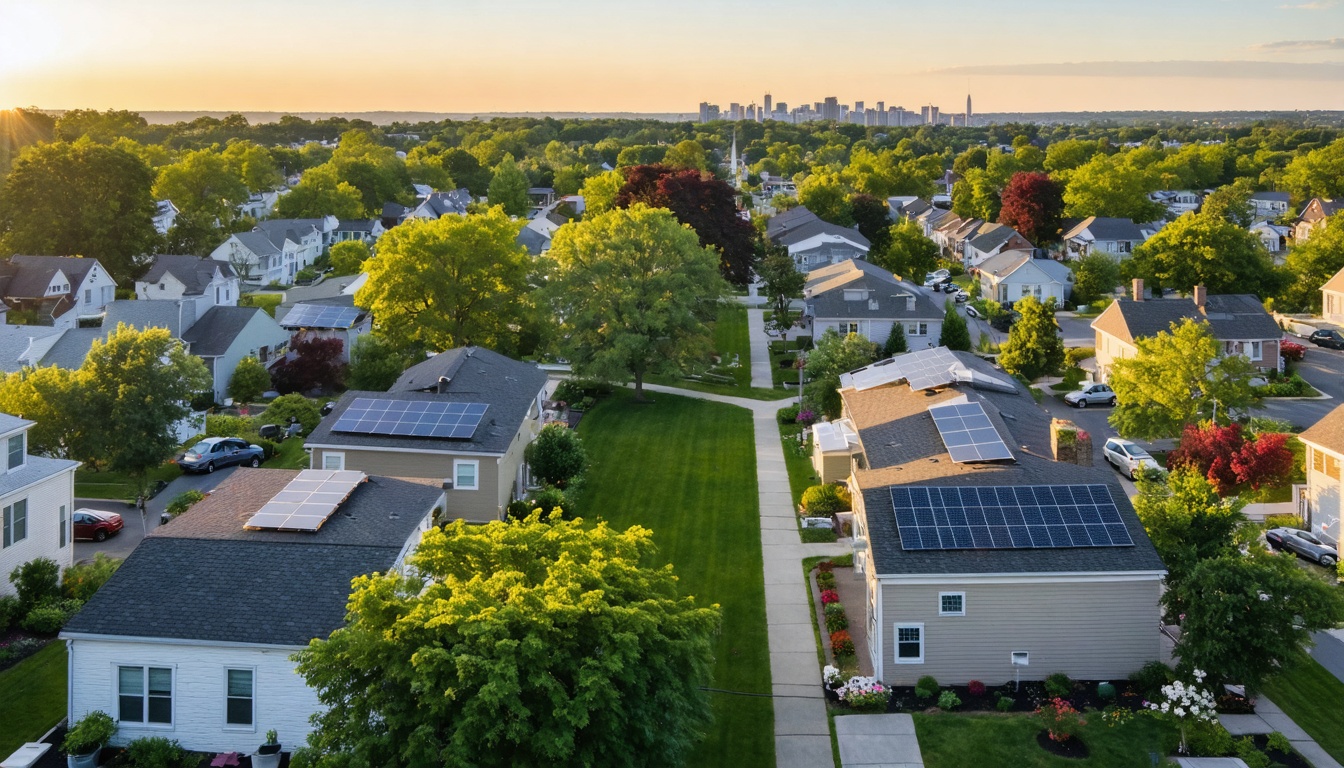 How Elizabeth, New Jersey Homeowners Can Make the Most of Their Solar PotentialHomeowners in Elizabeth, NJ, may find that solar panels can provide financial benefits and enhance the value of their property. Several key factors play a role in determining the viability of solar energy for individual homes, including the orientation of the roof, the amount of sunlight the property receives throughout the year, and available government incentives. Before investing in solar panels, it is important to assess the total costs involved, including installation, maintenance, and potential financing options. Additionally, understanding the performance of solar panels in relation to local weather patterns can help homeowners estimate energy generation and savings more accurately. Local regulations and policies also influence solar adoption. Homeowners should familiarize themselves with zoning laws, permitting processes, and any specific restrictions that may apply to solar installations in their area. Conducting a thorough analysis of these factors will enable Elizabeth homeowners to make informed decisions regarding solar energy, helping to identify whether it aligns with their financial and environmental goals. Solar Power in Elizabeth: Key StatisticsSolar power adoption in Elizabeth is showing a gradual increase, largely due to financial savings and state incentives. The implementation of net metering, facilitated by both local and federal programs, allows homeowners to lower their electricity expenses through energy generated by photovoltaic (PV) systems. Currently, 182 homeowners in Elizabeth are participating in solar power initiatives, benefiting from the incentives provided by the state of New Jersey. The average initial cost for solar panel installation is approximately $26,857. However, estimates suggest that homeowners may achieve long-term savings close to $85,000 over the lifespan of their solar systems. Professional installers are accessible in the area to develop panel systems that maximize energy production, particularly advantageous given that Elizabeth averages about 4.7 sun hours per day. Additionally, solar installations may contribute to an increased resale value of properties. For further details on the installation process or the privacy policy, inquiries can be directed to the appropriate local authorities or solar energy providers. Comparing Solar Panel Costs and Financing OptionsWhen assessing the potential for renewable energy investment in your Elizabeth home, it is essential to understand the associated costs and financing options available. The average cost of a solar photovoltaic (PV) system in Elizabeth, New Jersey, is approximately $26,857, translating to around $2.98 per watt. Homeowners may explore financing options such as solar leases, which can help to mitigate the initial financial investment, with monthly payments generally beginning around $120. In addition, New Jersey has implemented several incentives that enhance the financial feasibility of solar installations. These include exemptions from property tax and sales tax, as well as net metering policies that allow homeowners to receive credits on electricity bills based on the energy produced by their solar systems. Moreover, additional local programs, which were established as permanent in August, have the potential to further reduce overall electricity costs. For homeowners interested in pursuing solar energy, it is advisable to consult with professionals for installation services and guidance on navigating regulatory requirements and securing necessary permits. For more information on solar options in Elizabeth, NJ, visit https://solarpanelselizabethnj.com/. This approach can provide clarity and support throughout the process of transitioning to solar energy. Electricity Prices and Their Impact on Local HouseholdsIn recent years, increasing electricity prices have posed financial challenges for households in Elizabeth, New Jersey. Residents reliant on the utility grid are experiencing notable hikes in their electricity bills, with current rates nearing 19.4 cents per kWh. One viable option for addressing these rising costs is the adoption of solar panel systems. Transitioning to solar energy offers the potential to lower monthly electricity expenses while providing more stable long-term energy costs. Homeowners can collaborate with qualified solar companies and certified installers to generate renewable energy, which may result in economic savings and contribute to environmental sustainability. There are multiple financing options available that can help mitigate the upfront costs associated with solar installations. These financing methods may be complemented by various incentives at both state and local levels. In New Jersey, for instance, there are programs specifically aimed at promoting the adoption of solar energy. Implementing solar energy may lead to reduced electricity bills and could also enhance property value. Homeowners interested in solar energy are encouraged to consider the available programs, financial incentives, and potential savings to assess the feasibility and benefits specific to their circumstances. New Jersey Solar Incentives for Elizabeth ResidentsElizabeth, New Jersey, provides various incentives designed to promote the adoption of solar energy among homeowners. One key incentive is the state’s 1:1 net metering policy, which allows homeowners to earn credits for excess electricity generated by their photovoltaic (PV) systems when it is returned to the utility grid. This mechanism can lead to a reduction in overall electricity costs for participants over time. The state also offers significant financial advantages by exempting solar panel installations from property and sales taxes. This exemption can considerably reduce the initial costs involved in installing solar systems and may help maintain or enhance property values in the long run. For those who may not have suitable roofs for solar installations, such as renters, community solar programs are available. These programs enable broader access to solar energy benefits, allowing individuals to participate in solar initiatives without requiring direct ownership of solar equipment. Looking to the future, New Jersey is set to introduce battery storage incentives in 2026. These upcoming incentives are anticipated to improve the feasibility and performance of solar energy projects, reflecting the state's commitment to evolving policies and advancing technologies in the renewable energy sector. Overall, the combination of these policies creates a supportive environment for solar energy adoption in Elizabeth, presenting a viable investment opportunity for residents interested in solar options. Understanding Solar Panel Production and PerformanceThe efficiency of solar panel performance in residential settings can be impacted by several local factors, including average peak sunlight hours, roof orientation, and shading from trees or nearby structures. In Elizabeth, New Jersey, a typical 10 kW photovoltaic (PV) system is estimated to generate around 13,000 kWh annually. This production is subject to seasonal variations in daylight as well as local weather conditions. Professional installers usually design PV systems by taking into account the specific energy needs of the household, local renewable energy incentives, and the characteristics of the service territory. The primary objective of these systems is to reduce electricity bills, which can lead to lower long-term energy expenditures and potentially increase the property's market value. Following the implementation of the Clean Energy Act, New Jersey homeowners have access to a range of programs and incentives designed to promote the adoption of solar energy. These initiatives aim to make the transition to solar power more economically viable for residents within the state, thereby supporting the broader goal of increasing renewable energy use. Solar Power Technology: How It WorksUtilizing solar energy for residential purposes relies on photovoltaic (PV) technology. In Elizabeth, New Jersey, solar panels are primarily made of silicon cells, which are capable of converting sunlight into electricity. Once installed, these systems produce direct current (DC) power. To make this electricity usable in homes and compatible with the utility grid, inverters are necessary to convert DC into alternating current (AC). Homeowners may also take advantage of net metering, a system that allows excess electricity produced by solar panels to be sent back into the grid. This process can help reduce overall electricity costs for consumers. Various financial incentives are available to assist with the initial investment in solar technology, such as state incentives, tax credits, and local programs that encourage the adoption of renewable energy sources. The design of solar panel systems is tailored to align with specific service territories, optimizing performance based on local environmental and regulatory conditions. To ensure proper installation and maintenance, it is advisable for certified professionals to manage these processes. This approach contributes to the effectiveness and efficiency of solar energy systems for residential applications. Addressing Common Misconceptions About Solar PanelsMany individuals express caution about investing in solar panels due to prevalent misconceptions regarding their cost, reliability, and installation procedures. In Elizabeth, New Jersey, various programs and state incentives, such as tax exemptions, are available, which can help reduce the initial financial barrier and make solar energy more accessible for homeowners. The professional installation of solar panels employs reliable mounting systems that secure the panels without compromising the roof's structural integrity. In fact, an appropriate installation may positively influence the durability of roofing materials over time. It is a common misconception that solar panels are ineffective in less-than-ideal weather conditions. In reality, these systems are designed to operate efficiently in various climates, including colder environments and during overcast days, ensuring they are capable of producing energy year-round. Typically, solar companies oversee the entire process, including obtaining necessary permits and carrying out the installation. This comprehensive approach generally minimizes potential complications for homeowners, providing a more organized experience for those considering solar energy as a practical option. Steps to Transitioning Your Elizabeth Home to SolarTransitioning your home in Elizabeth to solar energy begins with evaluating your energy consumption and the condition of your roof. This assessment is essential for determining a suitable solar panel system that meets your specific needs. Consulting with a professional solar provider in the area can help streamline this process, as they will analyze your electricity usage and design a photovoltaic (PV) system that aligns with your property. Once the system design is finalized, the solar company will take responsibility for obtaining the necessary permits and overseeing all aspects of the installation, including the connection to the utility grid. It is advisable to consider state incentives available in New Jersey, such as the net metering program, which allows homeowners to receive credits for excess energy produced, effectively reducing initial costs. Additionally, various financing options may be accessible to mitigate upfront expenses. Implementing a solar energy system can lead to a decrease in electricity bills and may improve the resale value of your home. Solar energy systems generate renewable energy, contributing to a reduction in your household's carbon footprint over time. In summary, a well-structured solar setup can offer both financial and environmental advantages, making it a practical option for homeowners in Elizabeth. ConclusionHomeowners in Elizabeth, New Jersey, should consider evaluating solar energy options for their properties. Solar panels can provide long-term financial savings through reduced electricity bills, along with environmental benefits such as decreased reliance on fossil fuels. Both state and federal incentives may be available to help offset initial installation costs. To begin, homeowners should assess their property’s solar potential, which involves evaluating factors such as roof orientation, shading, and size. Engaging with reputable solar installers can provide insights into the specific benefits and challenges for each property. Local programs may also offer additional resources and financing options for those interested in solar energy. By making informed decisions, homeowners can not only lower their energy costs but also potentially enhance the value of their property while contributing to broader community sustainability efforts. Transitioning to solar power requires careful consideration, but it may offer significant advantages in the long run. |
|||